The Living-Hardware Consortium
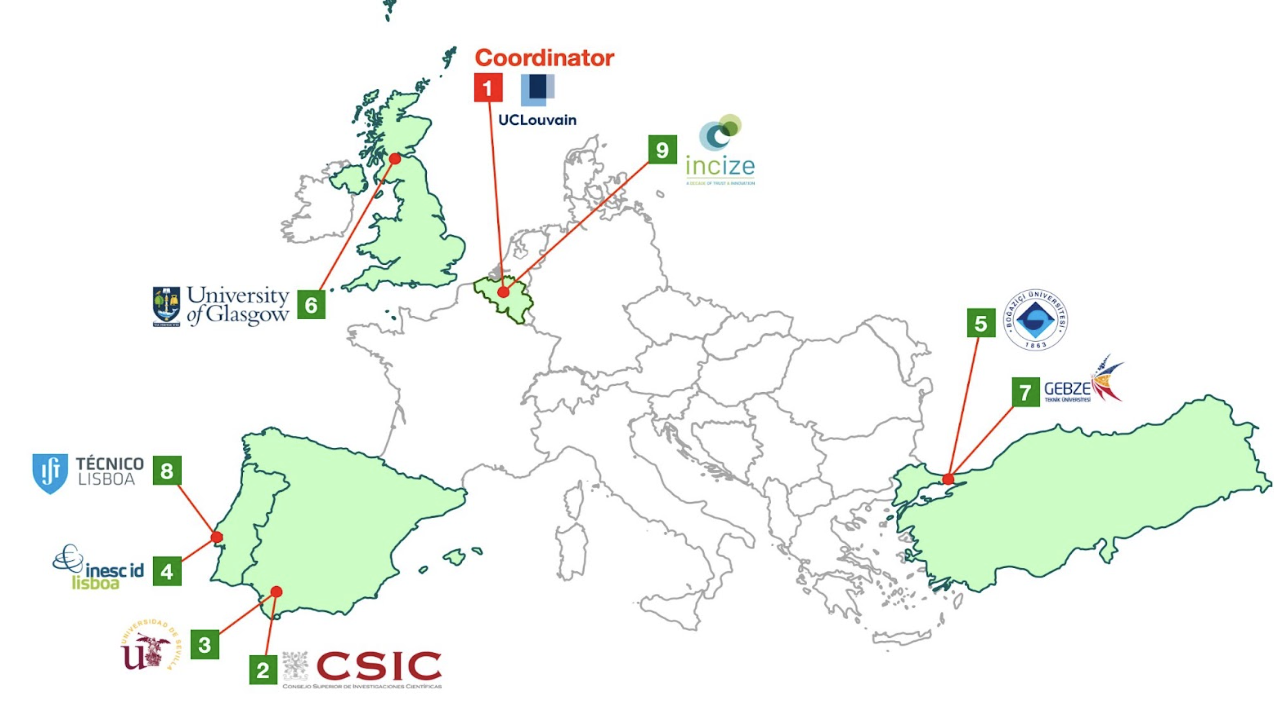
The consortium comprises nine partners, including SMEs and leading researchers, each contributing a unique and essential set of skills that collectively span the entire innovation chain.
Principal Investigators
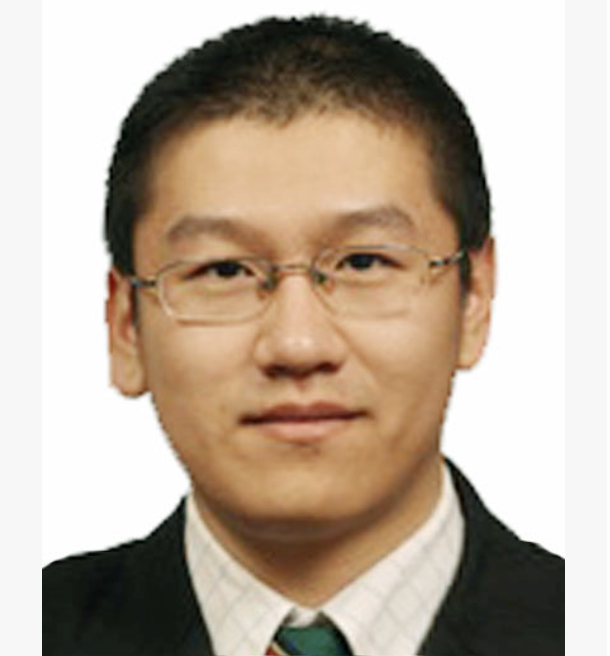
Bo Liu | University of Glasgow, Scotland
Bo Liu received the B.Eng. degree from Tsinghua University, China, in 2008 and the Ph.D. degree from University of Leuven (KU Leuven), Belgium, in 2012. From October 2012 he held the distinguished position of Humboldt Research Fellow, working with the Technical University of Dortmund, Germany. From April 2013, he was a Lecturer (Assistant Professor) at Wrexham Glyndwr University, UK, where he was promoted to Reader (Associate Professor) in 2016. He joined the University of Glasgow in 2020 and has been a Professor of electronic design automation since 2023. He is a Fellow of IET and a Senior Member of IEEE. He is an associate editor of IEEE Transactions on Computer-Aided Design of Integrated Circuits and Systems, and Complex and Intelligent Systems (Springer). Dr. Liu is a pioneer in AI-driven electronic design, with key contributions spanning analog ICs, RF/mm-wave circuits, antennas, and microwave filters. He was among the first to apply heuristic optimization to analog IC sizing and later introduced online machine learning for high-frequency and mm-wave IC synthesis. His work has enabled industrial-grade “one-button” design solutions, surpassing human experts in speed and performance. He also led breakthroughs in AI-assisted design of complex antennas and fully automated filter design. His algorithms are now used by top global design teams and integrated into tools like MATLAB, with broader EDA tool adoption underway. Google Scholar
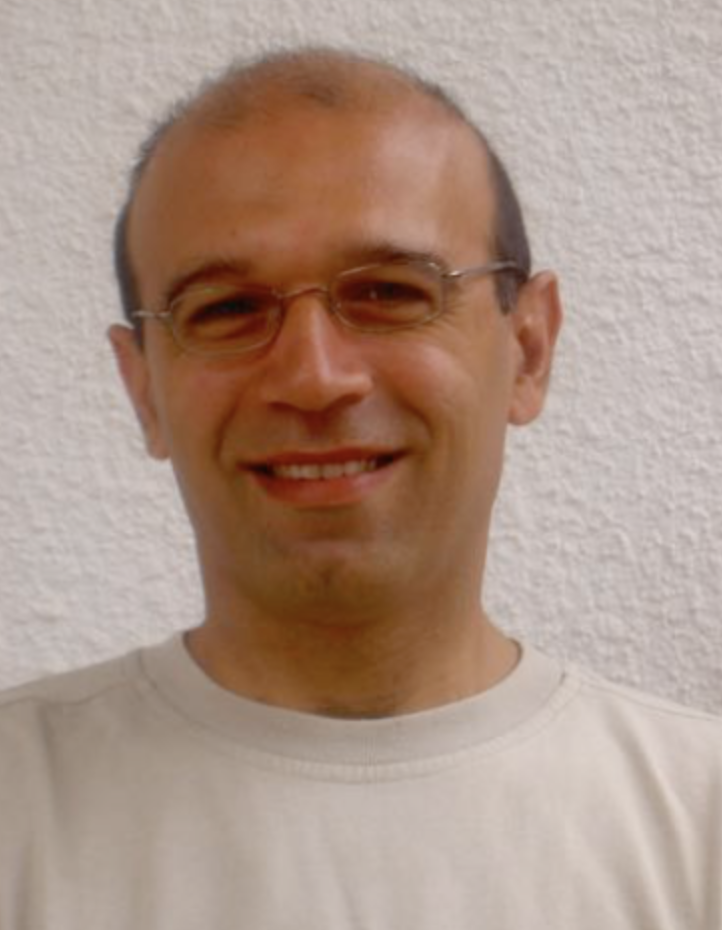
Francisco V. Fernandez | Universidad de Sevilla, Spain
F.V. Fernández got the Physics-Electronics degree from the University of Seville, Spain, in 1988 and his Ph. D. degree in 1992. In 1993, he worked as a postdoctoral research fellow at Katholieke Universiteit Leuven (Belgium). He has been a full professor at the University of Seville since 2009. He is also a researcher at IMSE-CNM (University of Seville and CSIC). Dr. Fernández was the Editor-in-Chief of Integration, the VLSI Journal (Elsevier) from 2005 to 2015. His research interests lie in the design and design methodologies of analog, mixed-signal and radio frequency circuits. Dr. Fernández has authored or edited five books and has co-authored more than 150 papers in international journals and conferences. He has served as General Chair of three international conferences and regularly serves at the Program Committee of several international conferences. Google Scholar
Elisenda Roca Moreno | CSIC-IMSE, Spain
E. Roca received the physics and Ph.D. degrees from the University of Barcelona, Spain, in 1990 and 1995, respectively. From November 1990 to April 1995, she worked at IMEC, Leuven, Belgium, in the field of infrared detection aiming to obtain large arrays of CMOS compatible silicide Schottky diodes. Since 1995, she has been with the Institute of Microelectronics of Seville, (IMSE-CNM-CSIC), Spain, where she holds the position of Tenured Scientist. Her research interests lie in the field of modeling and design methodologies for analog, mixed-signal and RF integrated circuits. She has been involved in several research projects with different institutions: Commission of the EU, ESA, ONR-NICOP, etc. She has also co-authored more than 70 papers in journals, books, and conference proceedings. Google Scholar
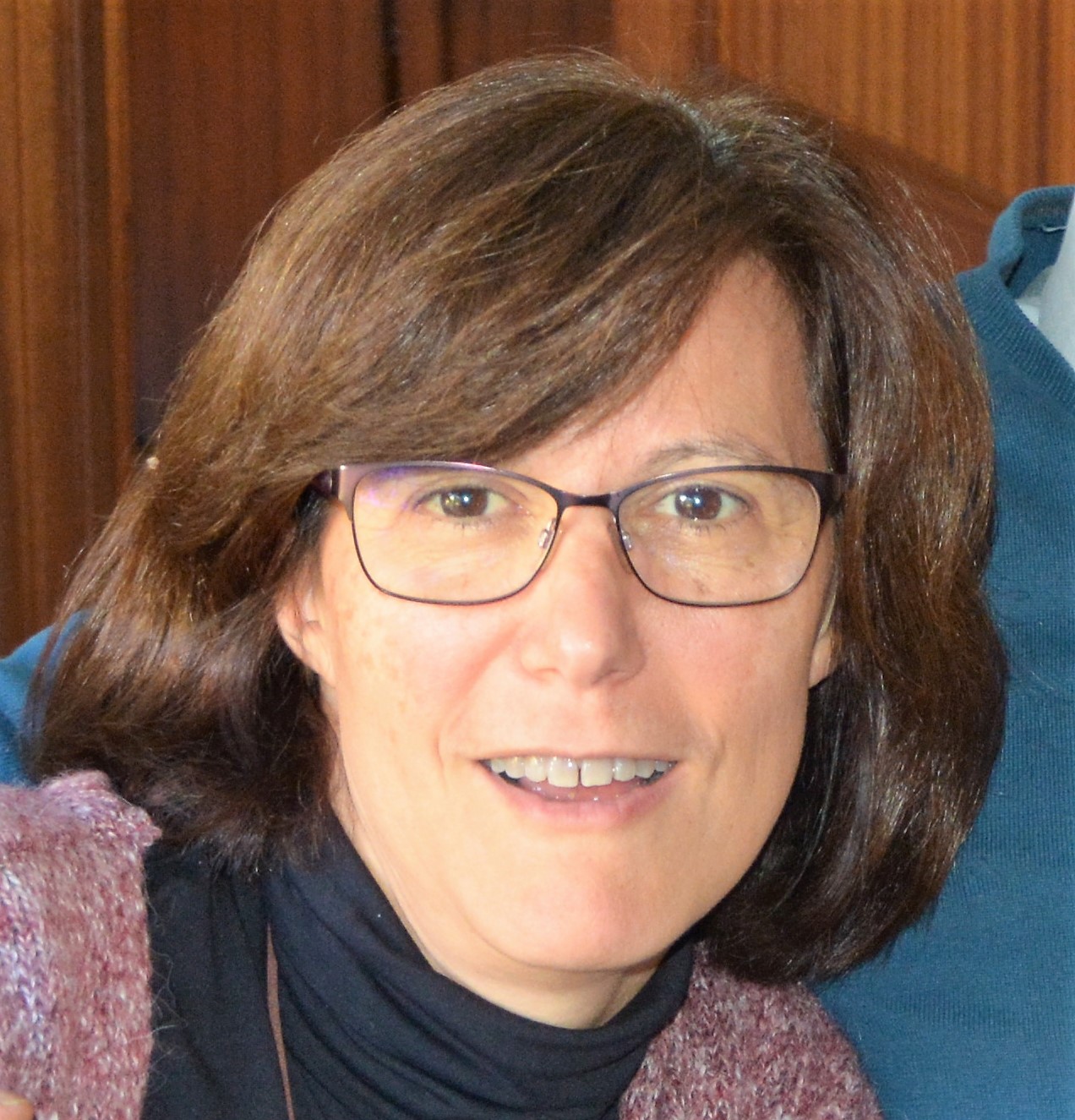
Rafael Castro Lopez | CSIC-IMSE, Spain
R. Castro-López received the “Licenciado en Física Electrónica” degree (M.S. degree on Electronic Physics) and the “Doctor en Ciencias Físicas” (Ph.D. degree) from the University of Seville, Spain, in 1998 and 2005, respectively. Since 1998, he has been working at the Institute of Microelectronics of Seville (CSIC-IMSE-CNM) of the Spanish Microelectronics Center, where he now holds the position of Tenured Scientist. His research interests lie in the field of integrated circuits, especially design and computer-aided design for analog and mixed-signal circuits. He has participated in several national and international R&D projects and co-authored more than 50 international scientific publications, including journal and conference papers, book chapters and the book Reuse-based Methodologies and tools in the Design of Analog and Mixed-Signal Integrated Circuits (Springer, 2006). Google Scholar
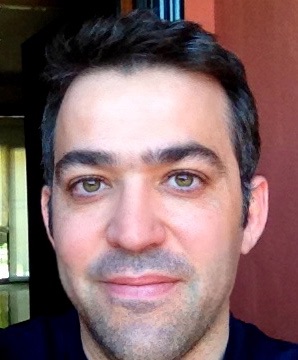
Rafaella Fiorelli Martegani | CSIC-IMSE, Spain
She received her B.Sc. and M.Sc. degrees in Electrical Engineering from the Universidad de la República, Uruguay, in 2002 and 2005; and the M.Sc and PhD degree at the Universidad de Sevilla, Spain in 2009 and 2012. In 2003 she joined the Electrical Engineering Institute of the Universidad de la República, Uruguay. Since 2009, she has been with the Instituto de Microelectrónica de Sevilla (IMSE-CNM-CSIC). Her current research includes the implementation of design methodologies of low power RF blocks and BIST test in RF. Google Scholar
Fabio Moreira De Passos | INESC-ID, Portugal
Fabio received his Ph.D. degree from the Universidad de Sevilla, Seville, Spain, in 2018, while conducting work at the Instituto de Microelectrónica de Sevilla (IMSE-CNM), Seville, Spain. Currently, he is an Assistant Professor at the Instituto Superior Técnico, University of Lisbon and a Researcher in the Nanoelectronic Circuits and Systems of INESC-ID. He also collaborates with SiliconGate as an R&D Analog Designer. He was a recipient of a Marie Curie Postdoctoral Individual Fellowship, several Best Paper Awards, and the prestigious outstanding dissertation award from the European Design and Automation Association in 2019 (awarded to the best PhD thesis in the world for design automation). He has collaborated in several international research projects. His current research interests include the design of power management circuits and automated design methodologies for circuit design, where he has published more than 50 papers with more than 440 citations including more than 30 papers in the last 5 years. My research goal is to perform cutting edge research with real industry-oriented R&D goals. Google Scholar
Ricardo Martins | Instituto de Telecomunicações, Portugal
Ricardo Martins received the Ph.D. degrees in Electrical and Computer Engineering from Instituto Superior Técnico – University of Lisbon (IST-UL), Portugal, in 2015. He is with Instituto de Telecomunicações since 2011 developing tools for electronic design automation, where he holds a postdoctoral research position. He is also an invited Assistant Professor in the Department of Electrical and Computer Engineering of IST-UL, where he was distinguished with three “IST Outstanding Teaching Awards”. He was the publication chair and Competition Chair of the Int. Conf. on Synthesis, Modeling, Analysis and Simulation Methods and Applications to Circuit Design. He has authored or co-authored about 60 publications, including book chapters, international journals, and conferences papers. His current research interests include: electronic design automation tools for analog, mixed-signal and radio-frequency integrated circuits, deep nanometer integration technologies, soft computing, machine learning and deep learning. Google Scholar
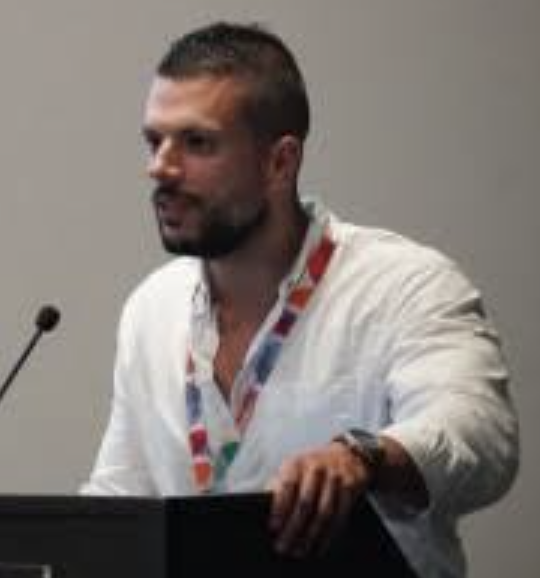
Gunhan Dundar | Bogazici University, Türkiye
Gunhan Dundar was born in Istanbul, Turkey, in 1969. He received the B.S. and M.S. degrees from Bogazici University, Istanbul, in 1989 and 1991, respectively, and the Ph.D. degree from the Rensselaer Polytechnic Institute, Troy, NY, USA, in 1993, all in electrical engineering. In 1994, he was a Lecturer with Bogazici University, teaching courses on electronics, electronics laboratory, IC design, electronic design automation, and semiconductor devices. From August 1994 to November 1995, he was with the Turkish Navy and taught courses on electronics, electronics laboratory, and signals and systems with the Turkish Naval Academy, Istanbul. Since 1995, he has been with Bogazici University, where he is currently a Professor. Between 2006 and 2009, he was the Chairman of the Department of Electrical and Electronics Engineering. Between 2002 and 2003, he was with the cole Polytechnique Fdrale de Lausanne, Lausanne, Switzerland, and between 2009 and 2010, he was with the Technical University of Munich, on sabbatical leave. His research interests include analog integrated-circuit design, computer-aided design for analog design, and soft-computing circuits. Google Scholar
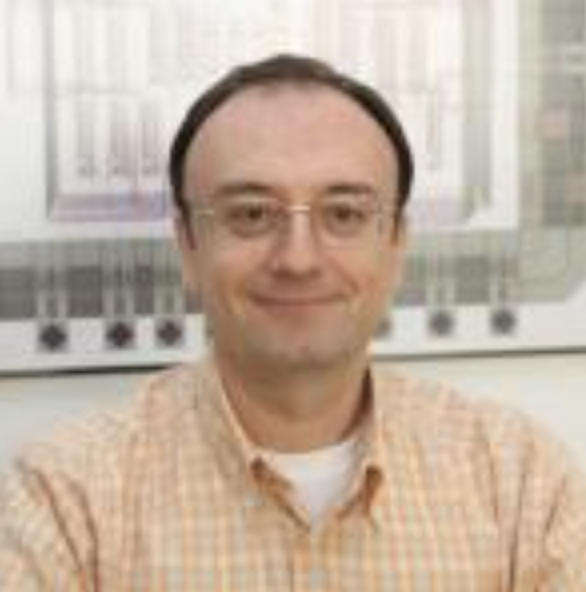
Engin Afacan | Gebze Technical University, Türkiye
Dr. Engin Afacan is an Associate Professor at Gebze Technical University. He received his B.S. degree from Kocaeli University, Turkey, in 2009, and earned the M.S. degree and the Ph.D. degree from Bogazici University, Istanbul, Turkey in 2011 and 2016, respectively. Dr. Afacan worked as research and teaching assistant at Boğazici University between 2009–2016. His current research interests center on CAD/EDA tools, analog/RF circuit design and automation, reliability-aware CMOS analog circuit design and automation, and hierarchical analog circuit synthesis, analog intellectual property (IP), and reconfigurable analog circuit design and synthesis. Google Scholar
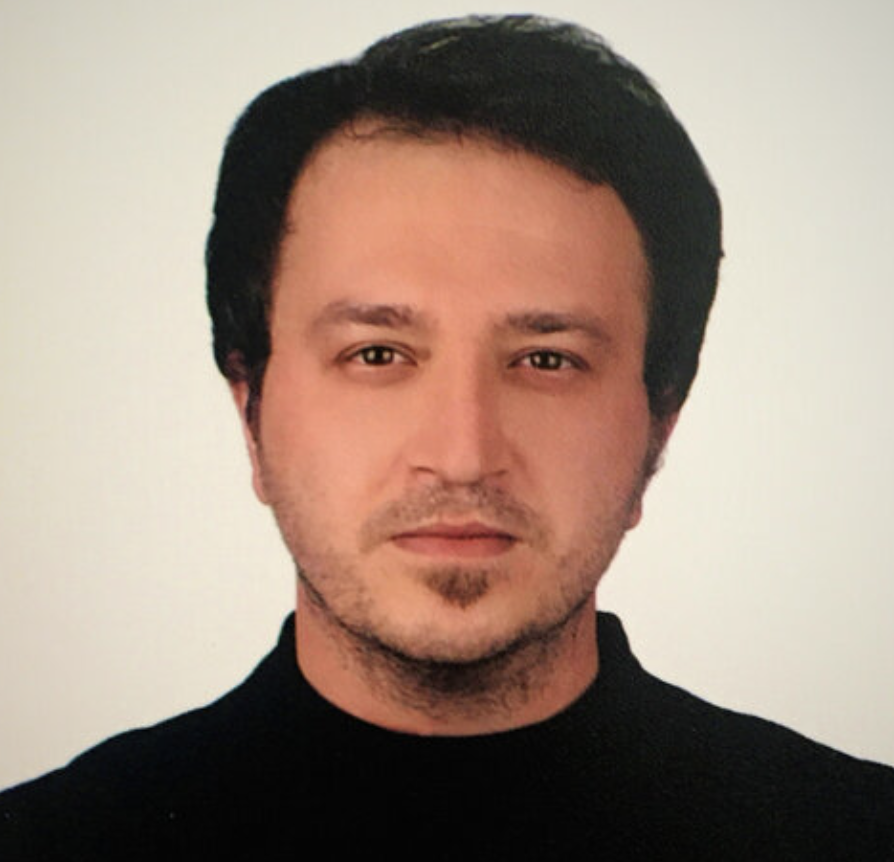
Morin Dehan | Incize, Belgium
Morin Dehan received his B.S. and Ph.D. degrees in applied sciences from the Université Catholique de Louvain, Louvain-la-Neuve, Belgium, in 1999 and 2003, respectively. Research activities were focused on SOI components (Inductors, FETs) for RF applications. In 2004, he joined IMEC, Leuven, Belgium, contributing to the RF CMOS research program. He was later responsible of technology pathfinding PDKs for advanced technology nodes, and the mask design for technology development in all major IMEC research development (Scaled CMOS, 3D-IC, Silicon Photonics, Memory program, advanced Lithography). In 2017, he joined Sony Depth-Sensing Solution, Brussels, Belgium, as a researcher and R&D team leader, contributing to different depth sensing technologies, like indirect and direct time of flight. He contributed to different activities and technologies related to LIDAR development, SWIR and multi-spectral applications. From 2021 to 2024, he worked with Europe CanaanTek as Europe Design Center Director. He helped to setup the first European design center of the company. Dr Morin Dehan is author or co-author of more than 60 papers published in international journals, or conference proceedings about RF devices and silicon-based technologies. He is co-author of 7 published or submitted patent in the field of Time-of-Flight technology and system. In April 2024, he joined Incize as Characterization Team Leader.
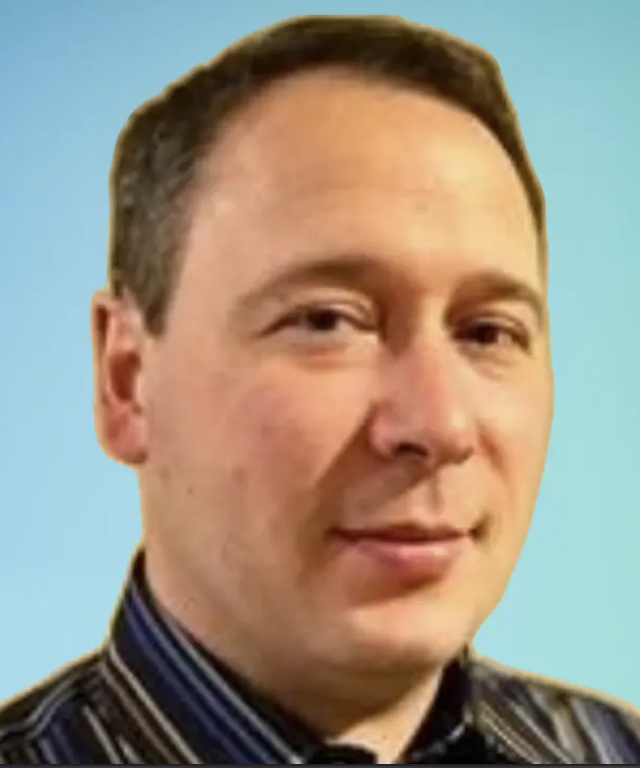
Dimitri Lederer | Université catholique de Louvain, Belgium
Dimitri Lederer received the M.S. and Ph.D. degrees in applied sciences from Université catholique de Louvain (UCLouvain), Louvain-la-Neuve, Belgium, in 2000 and 2006, respectively. After completing his PhD he worked in various SMEs and large-scale companies on the development of RF & microwave and mmWave products. His last role prior to joining UCLouvain was of Senior Engineer at GlobalFoundries, where he worked on the development of the 45RFSOI technology. His research interests cover the modeling, fabrication and characterization of mmWave Si-based devices and circuits. These research activities also include the integration of III-V and more exotic materials on Si for THz applications. Google Scholar
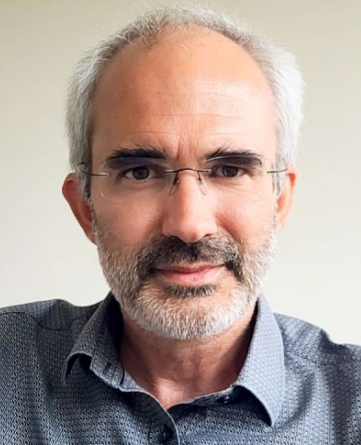
Christophe De Vleeschouwer | Université catholique de Louvain, Belgium
Christophe De Vleeschouwer was born in Namur, Belgium, in 1972. He received the degree in electrical engineering and the Ph.D. degree from the Université Catholique de Louvain (UCL), Louvain-la-Neuve, Belgium, in 1995 and 1999, respectively.,From September 1999 to November 2000, he was a Research Engineer with the IMEC Multimedia Information Compression Systems Group. He is now with the Communications and Remote Sensing Laboratory, UCL, and is funded by the Belgian National Fund for Scientific Research. From August 2001 to June 2002, he was a Visiting Research Fellow at University of California at Berkeley. His main interests concern video and image processing for communication and networking applications, and nonlinear signal expansion techniques and their use for signal analysis and signal interpretation. Google Scholar
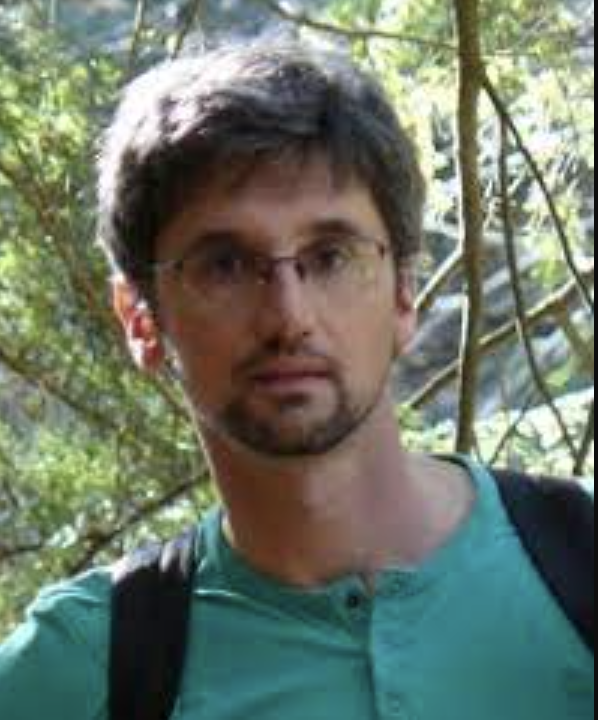
Mehmet Parlak | Université catholique de Louvain, Belgium
Mehmet holds a B.S. degree in electrical engineering from the Middle East Technical University (METU), Turkey (2005), and M.S. and Ph.D. degrees in electrical engineering from the University of California, San Diego in 2008 and 2012. He also holds an MBA degree from the Paul Merage Business School at the University of California, Irvine, focusing on strategy management in 2019. He has more than ten years of industry experience at various companies, including Nokia-Siemens Networks, Panasonic America, Broadcom Corporation, and Anokiwave. He has worked as an assistant professor before UCLouvain, where he worked on machine learning classification of radar signals and time-frequency analysis. Dr. Parlak has received numerous fellowships and honors throughout his education and career, including the Fulbright Scholarship, Gordon Engineering Leadership, UC San Diego PhD and UC Irvine MBA Fellowships. His research interest is mm-wave circuits and systems on silicon for cognitive radar, communication, and photonics applications in the context of joint communication and sensing technologies. Google Scholar
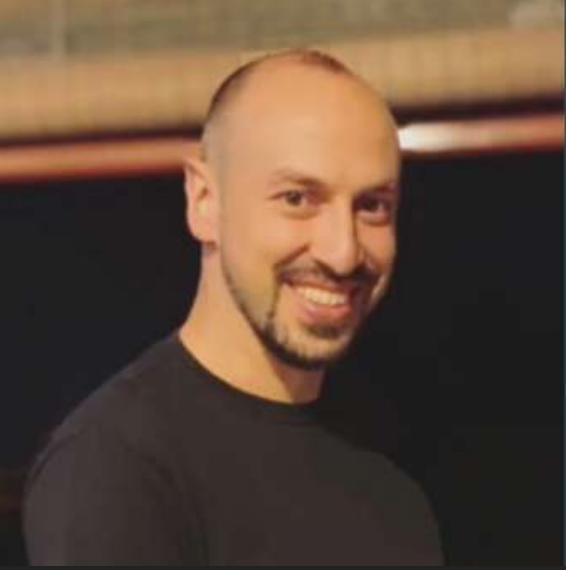
PhD Students
Islam Guven | Université catholique de Louvain, Belgiume
Islam Guven is a Ph.D. researcher in the RF-SOI group at UCLouvain, with a focus on integrating artificial intelligence into RF and analog circuit design processes. He will be developing multi-agent reinforcement learning and evolutionary strategies to assist designers in automating the co-design of complex multi-component systems. He holds a B.Sc. and M.Sc. degree in Electrical Engineering from Ozyegin University, and his research background spans multi-agent systems, time-frequency analysis, and optimization techniques applied to autonomous drones and signal processing. He is currently transitioning into integrated circuit design, where he is building intelligent design frameworks that leverage modern EDA tools alongside deep learning techniques. His research interests include: Applying multi-agent reinforcement learning to automate multi-block RF circuit design Exploring graph neural networks for efficient dataset generation in the circuit design domain, Reducing data dependency in AI models through hybrid approaches such as neuroevolutionary algorithms. Google Scholar